What Are WPC Panels and How Do They Work?
WPC panels, an increasingly popular building material, are revolutionizing the construction and interior design industries. If you’re considering a renovation, building a new deck, or upgrading your interior walls, understanding WPC panels is essential. This guide covers everything you need to know, including how they work and why brands like Lupan are leading the way.
What Are WPC Panels?
WPC stands for Wood-Plastic Composite. As the name suggests, WPC panels are made from a blend of wood fibers or flour and thermoplastics, such as polyethylene, polypropylene, or PVC. This combination creates a material that offers the best of both worlds: the natural, aesthetic appeal of wood and the durability, low maintenance, and moisture resistance of plastic.
These panels are commonly used for:
Decking and outdoor flooring
Wall cladding and facades
Fencing and railing systems
Interior decorative panels and ceilings
Unlike traditional wood, WPC panels are engineered to resist common issues like rotting, warping, splintering, and insect damage. They are available in a variety of colors, textures, and finishes that mimic natural wood grains, providing aesthetic flexibility for any project.
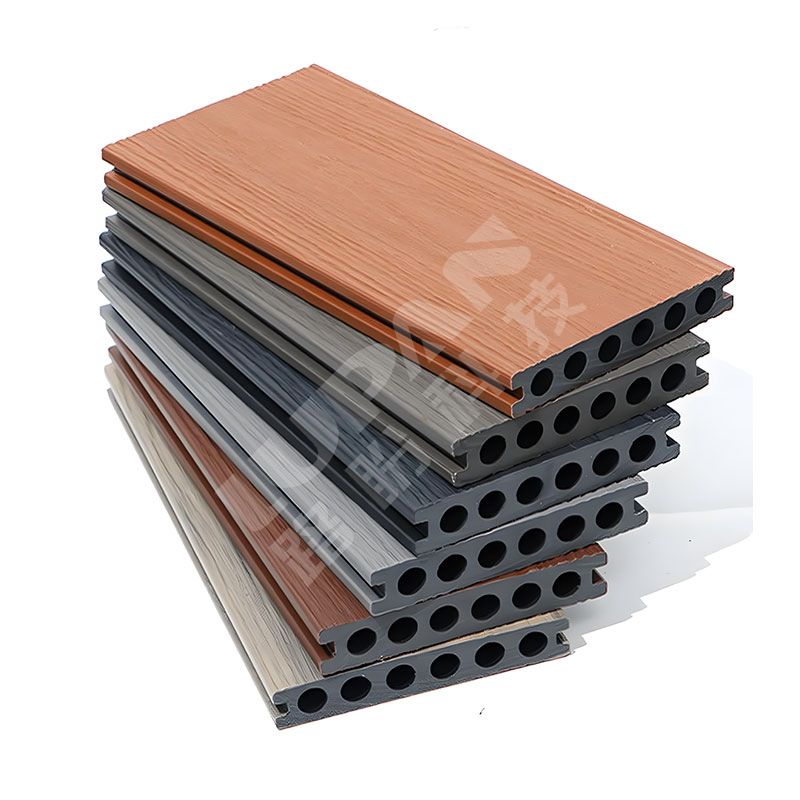
How Do WPC Panels Work? The Manufacturing and Installation Process
The functionality of WPC panels stems from their unique composition and manufacturing process.
1. Manufacturing:
The process begins with recycling wood waste (like sawdust and wood chips) and plastic materials. These raw materials are finely ground, mixed in precise ratios, and combined with bonding agents and additives for color, UV resistance, and enhanced strength. The mixture is then heated and extruded under high pressure through molds to form panels, planks, or boards of various profiles. This extrusion process ensures a homogenous, dense material with consistent quality.
2. Key Properties and How They Perform:
Durability: The plastic component makes WPC panels highly resistant to moisture, preventing the swelling, cracking, or decay that plagues natural wood. They do not require sealing, staining, or painting.
Low Maintenance: WPC panels only need occasional cleaning with soap and water, eliminating the annual upkeep costs associated with wood.
Structural Integrity: The composite material is strong and stable, capable of withstanding significant loads and weather fluctuations without bending or distorting.
Eco-Friendliness: Many WPC products, including those from responsible brands, utilize recycled materials, reducing landfill waste and the demand for virgin timber and plastic.
3. Installation:
WPC panels are designed for efficient installation. Most systems use interlocking mechanisms (like tongue-and-groove or click-lock edges) or hidden fastener systems. This allows for a straightforward, floating installation over a level substructure or battens, often without the need for nails or glue. Proper installation includes allowing for slight thermal expansion gaps as per the manufacturer’s guidelines.
Why Choose a Trusted Brand Like Lupan?
With the growing WPC market, choosing a reputable brand is crucial for ensuring quality, longevity, and performance. Lupan stands out as a leading manufacturer of premium WPC panels. Here’s why:
Superior Quality Control: Lupan employs advanced extrusion technology and strict quality checks to ensure their panels have excellent density, color consistency, and resistance to fading, staining, and impact.
Innovative Design: Lupan offers a wide range of modern designs and realistic wood textures, allowing homeowners and architects to achieve a high-end look without compromising on practicality.
Enhanced Durability Features: Lupan panels are often fortified with additional UV stabilizers and anti-slip surfaces, making them ideal for harsh climates and high-traffic areas, both indoors and outdoors.
Sustainability Commitment: Lupan emphasizes the use of recycled materials in its production process, aligning with green building practices and LEED certification potentials.
Comprehensive Systems: Lupan provides complete solutions, including matching accessories, trim, and fasteners, ensuring a seamless and professional finish for every project.
Conclusion
WPC panels are a smart, sustainable, and stylish alternative to traditional building materials. By combining the beauty of wood with the resilience of plastic, they offer a long-lasting, low-maintenance solution for a multitude of applications. Understanding how they are made and installed helps in making an informed decision for your next project.
For those seeking reliability and aesthetic excellence, opting for a trusted brand like Lupan guarantees a product that will perform beautifully for years to come, adding value and elegance to any space. Whether for a cozy deck, a modern facade, or a sleek interior feature wall, WPC panels are a versatile choice for the future of building and design.


评论
发表评论