Advantages of WPC Panels Compared to Traditional Wood Panels
When choosing materials for decking, cladding, or interior paneling, the debate often comes down to modern WPC panels versus traditional wood. Wood-Plastic Composite (WPC) panels are engineered from a blend of recycled wood fibers and thermoplastics. This innovative material is increasingly favored over natural wood, and for good reason. Brands like Lupan are at the forefront, perfecting WPC technology to deliver superior performance. Let’s explore the key advantages that make WPC panels the smarter choice for today’s projects.
1. Unmatched Durability and Longevity
Traditional wood, while beautiful, is vulnerable to the elements. Over time, it can rot, warp, crack, and splinter. It’s also a target for termites and fungal decay.
WPC panels solve these problems. The plastic matrix encapsulates the wood fibers, creating a moisture-resistant barrier. This means:
No Rotting or Decay: WPC does not absorb water like wood, eliminating the primary cause of structural failure.
Dimensional Stability: Panels resist warping, twisting, and cuicing, even with extreme temperature changes and humidity fluctuations.
Pest and Insect Resistance: The composite material is not a food source for insects, protecting your investment.
Premium brands like Lupan enhance this durability with advanced formulations and UV stabilizers, ensuring panels retain their structural integrity and color for decades with minimal wear.
2. Extremely Low Maintenance
This is arguably the most significant advantage. Maintaining traditional wood is a continuous, costly cycle. It requires annual inspections, frequent cleaning, and re-application of sealants, stains, or paints every few years to prevent deterioration.
WPC panels virtually eliminate this chore. They do not require sealing, staining, or painting—ever. Routine maintenance involves only occasional cleaning with soap and water to remove dirt or mildew. There’s no more sanding, no more splinters, and no more weekend projects dedicated to wood upkeep. This translates to substantial savings in time, effort, and long-term maintenance costs.
3. Consistent Performance and Safety
Natural wood can be inconsistent, with knots, grain variations, and natural defects that may weaken the board. It can also become slippery when wet and is prone to splintering, creating safety hazards.
WPC panels offer engineered consistency and enhanced safety:
Uniform Quality: Every plank from a reputable manufacturer like Lupan has consistent density, strength, and appearance, ensuring predictable performance.
Slip Resistance: Many WPC panels feature textured surfaces or embossed grain patterns that provide better traction than smooth, weathered wood, especially when wet.
Splinter-Free Surface: The composite material produces a smooth, solid surface safe for bare feet, making it ideal for families with children and pets.
4. Environmental Sustainability
While wood is a renewable resource, its harvesting, treatment, and short lifespan can have a significant environmental footprint. Pressure-treated wood also involves chemical preservatives that can leach into the environment.
WPC panels present a strong eco-friendly profile, especially from responsible manufacturers. They are primarily made from recycled wood waste (sawdust, wood chips) and recycled plastics, diverting materials from landfills. By choosing long-lasting WPC, you reduce the demand for frequent material replacement and the associated resource consumption. Lupan, for instance, emphasizes sustainable production processes, contributing to greener building practices.
5. Aesthetic Versatility with Lasting Beauty
Wood’s natural aesthetic is its main draw, but it fades, grays, and weathers unless constantly maintained. Achieving a uniform look can be challenging.
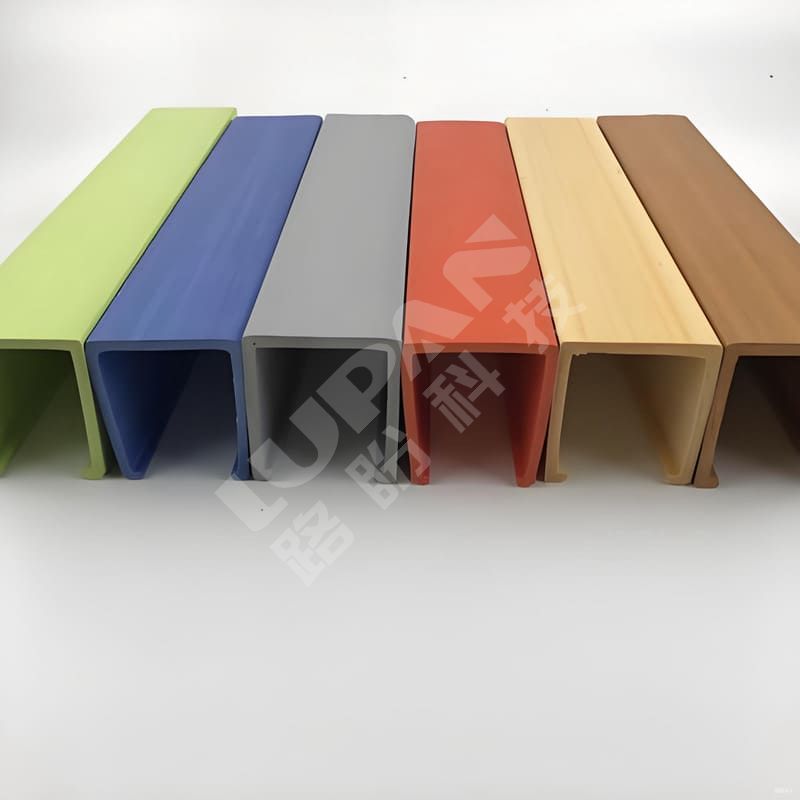
WPC panels provide the beauty of wood without the drawbacks. Advanced manufacturing allows for a wide range of colors, grains, and finishes that closely mimic exotic hardwoods or classic timber. Crucially, high-quality WPC from brands like Lupan is designed with integrated color and UV inhibitors. This means the color is consistent throughout the panel and resists fading, so your deck or facade looks vibrant and new for years without the need for restorative stains.
6. Easier Installation
Installing traditional wood decking often requires precise spacing, pre-drilling, and nailing or screwing, which can be time-consuming.
WPC panels are often designed for user-friendly installation. Many systems feature interlocking click-lock or hidden fastener systems that allow for a faster, "floating" installation with fewer visible fasteners and a cleaner, more professional finish.
Conclusion: The Clear Choice for Modern Building
While traditional wood panels have their classic charm, the practical advantages of WPC panels are overwhelming for most residential and commercial applications. They deliver the desired aesthetic while offering superior durability, minimal maintenance, enhanced safety, and a more sustainable lifecycle.
For those ready to make the switch, choosing a trusted, high-performance brand is essential. Lupan’s WPC panels exemplify the pinnacle of this technology, combining rigorous engineering with elegant design. By opting for Lupan, you invest not just in a material, but in lasting peace of mind—freeing you to enjoy your space rather than constantly maintain it. For any deck, cladding, or paneling project, WPC panels stand as the clear, forward-thinking choice.


评论
发表评论