How Long Do WPC Panels Last in Interior Applications?
When planning an interior renovation with WPC panels, a crucial question arises: How long will they actually last? Homeowners and designers seek materials that combine beauty with long-term durability, ensuring their investment stands the test of time. In interior applications—from feature walls and ceilings to bathroom cladding and kitchen accents—the lifespan of Wood-Plastic Composite panels is a key advantage. Let’s explore the factors that determine their longevity and why brands like Lupan are setting new standards for enduring interior quality.
WPC in Interiors: Built for Longevity
At their core, WPC panels are engineered for resilience. Their composite structure—a blend of recycled wood fibers bound within a plastic polymer matrix—provides inherent strengths that natural wood, MDF, or even some plastics lack. While they are famous for outdoor use, their performance indoors is arguably even more impressive due to the controlled environment.
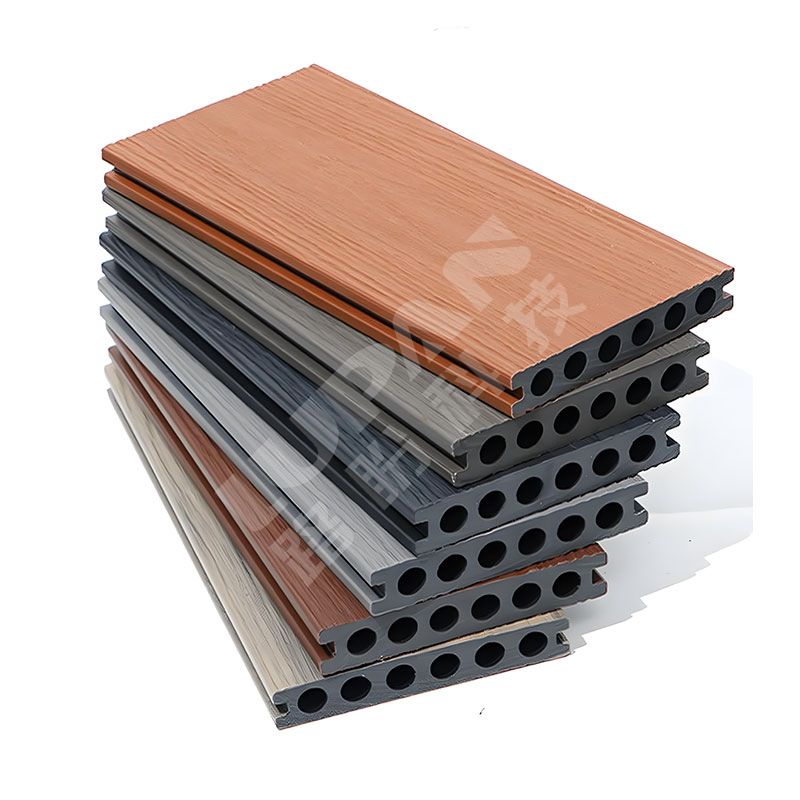
Key Factors Ensuring a Long Lifespan Indoors
1. Exceptional Resistance to Interior Stresses:
The interior of a home subjects materials to unique stresses: humidity fluctuations, temperature changes from heating/cooling, and daily wear and tear. WPC excels here because:
Moisture & Humidity Resistance: WPC panels have an extremely low water absorption rate. In kitchens and bathrooms, where steam and spills are common, they will not swell, warp, or delaminate like MDF or solid wood. This resistance to moisture also prevents the core structural rot and mold growth that shorten the life of organic materials.
Dimensional Stability: Unlike wood, which expands and contracts with seasonal humidity changes, WPC remains stable. This means no unsightly gaps, cracks, or buckling at the seams over the years, preserving the installation's integrity and appearance.
2. Superior Durability and Impact Resistance:
The plastic component gives WPC panels a tough, flexible core. They are highly resistant to dents, scratches, and impacts from everyday life—more so than many laminated boards. This makes them ideal for high-traffic areas like hallways, commercial spaces, and family rooms where walls might encounter furniture or activity.
3. Fade and Stain Resistance:
A major factor in the perceived "life" of an interior material is its ability to retain its color and finish. High-quality WPC panels are manufactured with integrated color pigments and UV stabilizers (important even for indirect sunlight from windows). They do not require staining or painting, and their color is consistent throughout the thickness of the panel. This means minor scratches are less noticeable, and the surface resists staining from common household substances, easily wiping clean.
4. Low Maintenance, No Degradation:
The longevity of a material is also defined by the upkeep it demands. Traditional wood paneling may need sanding, re-varnishing, or repairs over time. WPC panels require none of this. Their lifespan is extended precisely because they need only occasional cleaning with a damp cloth, avoiding the abrasive maintenance that can wear down other surfaces.
So, What is the Actual Lifespan?
Given these properties, a well-manufactured and properly installed WPC panel in an interior application can confidently be expected to last 20 to 30 years, and often much longer. Many premium manufacturers offer warranties ranging from 10 to 25 years for interior use, a strong testament to their durability. Unlike materials that degrade or go out of style, WPC panels are designed to maintain their structural and aesthetic integrity for decades.
Maximizing Lifespan: The Critical Role of Quality and Brand Choice
The above lifespan estimate hinges on one critical factor: product quality. The market has a wide range of WPC panels, and inferior products with high wood flour content, poor plastic quality, or subpar manufacturing will falter—showing signs of fading, becoming brittle, or discoloring prematurely.
This is why specifying a premium brand like Lupan is essential for a lifetime investment. Lupan WPC panels are engineered to exceed standard longevity expectations:
Premium Material Science: Lupan uses a superior ratio and grade of polymers and wood fibers, creating a denser, more homogeneous panel. This directly translates to greater strength, better color retention, and enhanced resistance to wear.
Advanced Manufacturing: Through precise extrusion technology, Lupan ensures a product free from voids or weak spots, which are potential failure points in cheaper composites.
Aesthetic Permanence: Lupan’s commitment to integrated color and textured finishes means the beautiful look of wood grain or a matte finish is not a superficial layer but part of the material’s core, ensuring it doesn’t wear off.
Comprehensive System Compatibility: Longevity isn’t just about the panel itself, but how it’s installed. Lupan provides compatible mounting systems and trim designed to work seamlessly with their panels, ensuring a secure, professional installation that lasts.
Conclusion: A Long-Term Investment in Style and Function
For interior applications, WPC panels represent one of the most durable and long-lasting cladding solutions available. Their resistance to the primary enemies of interior materials—moisture, physical damage, and aesthetic decay—ensures they will look new and perform flawlessly for decades with virtually no maintenance.
By choosing a high-caliber product from a trusted manufacturer like Lupan, you are not just buying a panel; you are investing in a permanent design feature. Lupan’s rigorous standards guarantee that your interior spaces will retain their elegance, character, and integrity for a generation or more, making WPC panels a smart and sustainable choice for discerning homeowners and designers who value timeless quality.


评论
发表评论