Advantages of WPC panels compared to traditional wood panels
In today's construction and design industry, the emergence of Wood Polymer Composite (WPC) Panels has revolutionized how builders and designers approach materials. Unlike traditional wood that is prone to warping and decay, WPC Panels offer a versatile, sustainable, and robust solution that has gained traction among eco-friendly builders. Faced with challenges such as environmental sustainability, durability, and maintenance costs, architects and contractors are increasingly turning to WPC Panels. This article explores the benefits of WPC Panels compared to traditional wood panels, addressing common pain points while highlighting real-world scenarios where WPC Panels shine.
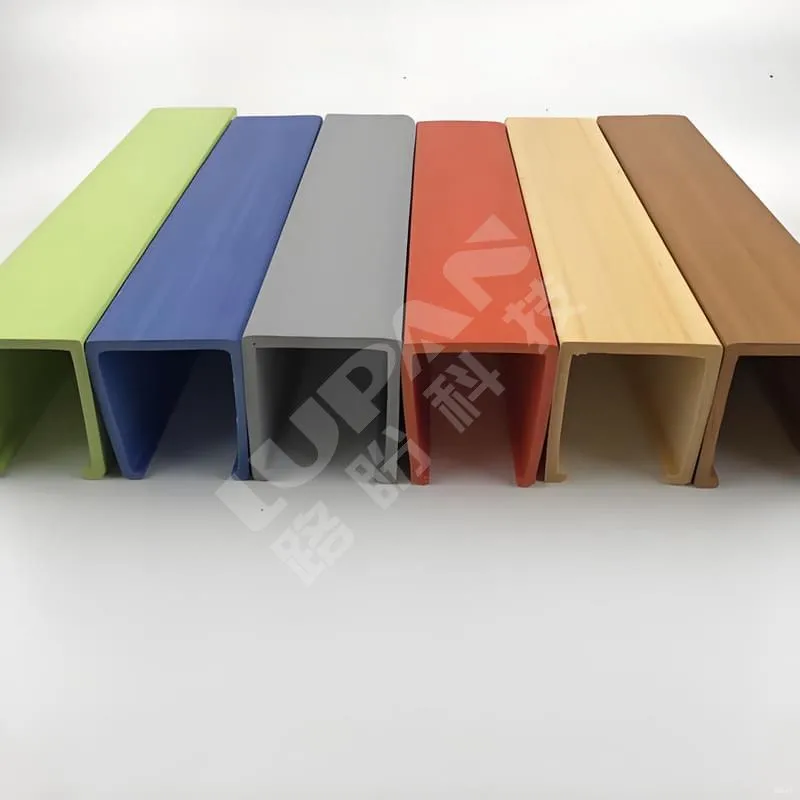
Definition: What is WPC?
Wood Polymer Composites (WPC) are engineered materials made from a combination of wood fibers and plastic, designed to replicate the aesthetics of wood while boasting superior properties. This combination not only produces a lightweight but strong material that resists moisture, insects, and mold. The industry has seen WPC Panels gaining more attention as advancements in technology enhance their appearance and usability, providing a sustainable alternative to traditional wood, a resource that can contribute to deforestation.
Application Scenario: Where are WPC Panels Used?
WPC Panels are utilized in diverse applications, ranging from outdoor decking, railing systems, and fencing to interior wall panels, furniture, and roofing. Notable sectors benefitting from WPC include residential home construction, commercial architecture, and landscaping design. For example, WPC decking has emerged as a preferred choice in outdoor spaces, achieving an impressive 90% reduction in moisture absorption compared to traditional wood, leading to a longer lifespan and diminished maintenance costs.
Brief Description of Advantages: Why Choose WPC Over Wood?
Choosing WPC Panels has tangible benefits that are quantifiable. One significant advantage is their resistance to weather conditions; studies indicate that WPC Panels maintain structural integrity even after being exposed to extreme heat and heavy rainfall, with a measured lifespan that is 2-3 times longer than traditional timber. Additionally, when evaluating sustainability, WPC materials have been documented to reduce carbon footprint by up to 30% compared to conventional wood products, as they utilize recycled materials.
Moreover, the maintenance costs for WPC are significantly lower. Traditional wood requires treatments and regular staining, leading to expenses upwards of $700 annually for upkeep, while WPC Panels typically entail minimal maintenance, potentially reducing costs to $50 per year.
Next Steps: How to Get Started
For those considering making the switch to WPC Panels, the first step is to consult a user guide or seek professional advice on material selection. Understanding specific requirements for your project will ensure you choose the best WPC product suited for your needs. For more insights and practical advice, brands like Lupan provide comprehensive guides that are worth exploring.


评论
发表评论