What are WPC panels and how do they work?
As the demand for sustainable building materials continues to rise, WPC Panels (Wood Plastic Composite Panels) have emerged as a leading solution in the construction and manufacturing industries. WPC panels are not only eco-friendly but also highly versatile, meeting the needs of various applications in both residential and commercial settings. This article will delve into the material composition of WPC panels, their advantages, and efficient uses, providing detailed insights backed by data and industry analysis.
In 2022, the global WPC market size was valued at approximately $5.56 billion and is projected to grow at a CAGR of 11.5% by 2030 (Source: Grand View Research). Understanding WPC panels helps tackle significant pain points like high maintenance costs of traditional wood, susceptibility to rot, and time-consuming installation processes.
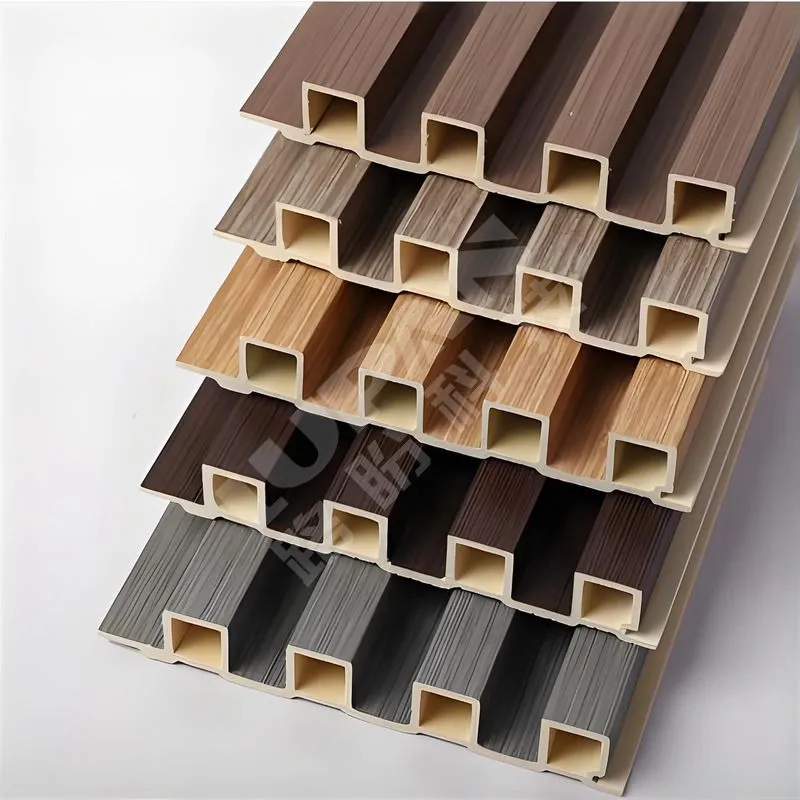
What are WPC Panels and How Do They Work?
Definition
WPC panels are composite materials that combine wood fibers (or wood flour) with thermoplastic resins, such as polyethylene (PE) or polypropylene (PP). This superior combination results in a sturdy product that provides both aesthetic and functional benefits. The wood fibers contribute to the natural look of the panels, while the plastic component significantly enhances durability and weather resistance.
Industry term analysis suggests that the market for WPC has expanded rapidly due to its favorable properties over conventional materials. WPC is not just a one-size-fits-all; it is customizable based on the type of wood and plastics used, resulting in diverse applications.
Applications of WPC Panels
WPC panels are employed across various industries due to their versatility. Here are some prominent applications:
Construction: Ideal for decking, fencing, and cladding, WPC panels resist peeling, splintering, and moisture, making them suitable for outdoor use.
Furniture Manufacturing: Their sleek finish and durability make them a popular choice for furniture products, especially where moisture exposure is a factor.
Automobile Industry: Used for interior panels and components where lightweight and durability are essential.
Packaging: WPC is emerging as a sustainable option in packaging materials.
According to a report by Wood Products Council, the use of WPC materials has been shown to replace an estimated 8.6 million metric tons of plastic waste in 2020 alone, demonstrating their contribution to environmental sustainability.
Brief Description of Advantages
Understanding the advantages of WPC panels enhances their importance in modern manufacturing and construction. The primary benefits include:
Durability: WPC panels exhibit resistance to decay, insects, and moisture, resulting in a lifecycle that is 15% to 25% longer than traditional wood alternatives.
Low Maintenance: Regular maintenance demands are reduced; WPC requires simple cleaning rather than routine treatments with stains and sealants.
Eco-Friendly: Made from recycled materials, WPC contributes to waste reduction and promotes sustainability in construction practices.
In a comparative analysis, WPC panels can save up to 50% on maintenance costs over a typical lifespan compared to conventional wood.
Next Step Guidance
Procuring WPC panels can be straightforward. For further exploration into their capabilities, be sure to consult user manuals from reputable manufacturers or conduct trial installations. Brands like Lupan offer extensive resources and practical guides to help users maximize the benefits of WPC panels.


评论
发表评论